
How to Stretch Your Hamstrings Safely at Home
Tight hamstrings are one of the most common complaints among people who sit all day, run, or train their legs hard. They can make bending forward uncomfortable, limit your squat depth, and pull on your lower back. The good news is that hamstring flexibility improves reliably with a few minutes of gentle stretching, done regularly. This guide explains how to stretch your hamstrings safely at home, which stretches actually work, and the mistakes that turn a good stretch into a sore muscle.

Why Hamstrings Get Tight
Your hamstrings run down the back of your thigh, from your sitting bone to below your knee. They bend your knee and extend your hip, so they work every time you walk, climb stairs, or stand up from a chair. Sitting for hours keeps them in a shortened position, and heavy leg training leaves them stiff for a day or two afterward. Both are normal, and both respond well to gentle, regular stretching.
Tightness is not always a flexibility problem, though. Sometimes hamstrings feel tight because they are weak or overworked, not because they are short. If stretching never seems to help, adding gentle strengthening — like glute bridges and slow deadlifts with light weight — often does more than extra stretching. This article focuses on stretching, but keep that balance in mind.
The Rules of Safe Hamstring Stretching
Before the stretches themselves, learn the rules that keep stretching safe and useful.
- Warm up first: Stretch warm muscles, not cold ones. Walk around the house for a few minutes or do some gentle marching before you stretch.
- Never bounce: Bouncing triggers a protective reflex that tightens the muscle. Move slowly into the stretch and hold still.
- Hold for 20 to 30 seconds: Short holds do little. Aim for at least 20 seconds per leg, breathing normally.
- Stay at a mild discomfort: You should feel a gentle pull, not pain. If you are holding your breath or grimacing, ease off.
- Stretch both sides: Even if one leg feels tighter, stretch both evenly to keep your body balanced.
- Be patient: Flexibility improves over weeks, not days. Forcing a deep stretch is how strains happen.
Five Effective Hamstring Stretches
1. Standing forward fold with bent knees
Stand with feet hip-width apart, knees softly bent. Hinge at your hips and let your upper body fold forward, reaching toward the floor. Keep your back flat rather than rounding it, and let your head hang relaxed. Hold for 30 seconds, breathing slowly. Bending your knees takes pressure off your lower back and lets the stretch land in the hamstrings.
2. Seated hamstring stretch
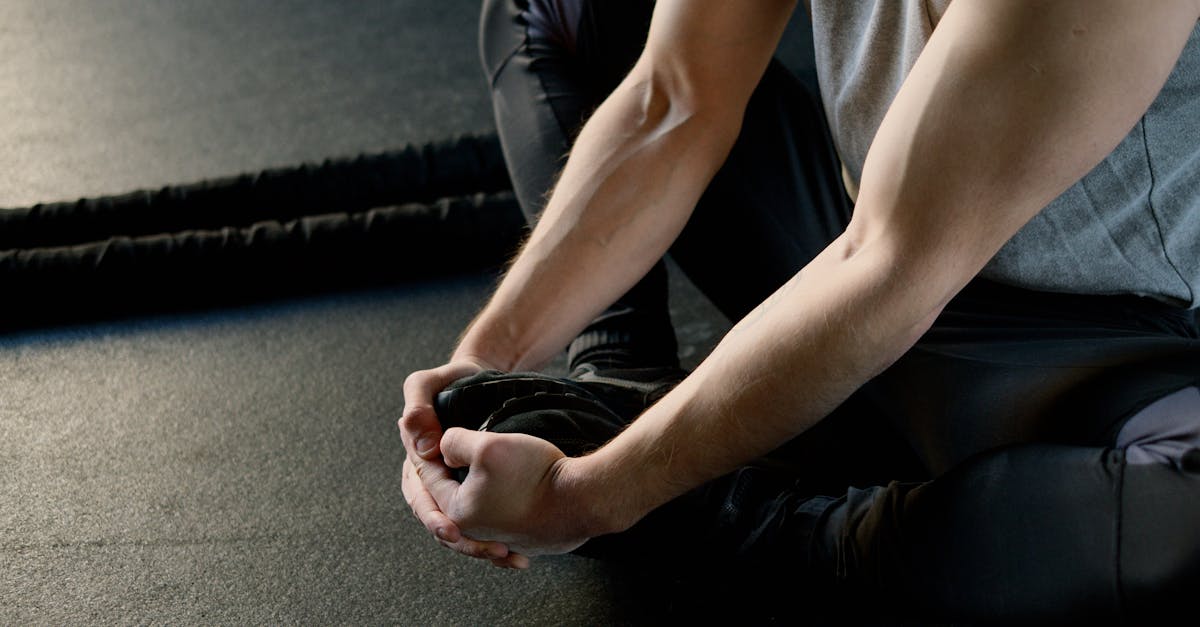
Sit on the floor with one leg extended straight and the other bent, foot against your inner thigh. Sit tall, then hinge forward from your hips toward your extended leg, reaching for your foot or shin. Keep your back long and your chest open. Hold for 30 seconds per leg. This is one of the best stretches for beginners because it is easy to control.
3. Lying hamstring stretch with a towel
Lie on your back and loop a towel or belt around the arch of one foot. Extend that leg toward the ceiling, keeping a slight bend in the knee, and gently pull the towel until you feel a stretch down the back of your thigh. Keep the other leg flat on the floor. Hold for 30 seconds per leg. This version is kind to your back and easy to adjust.
4. Wall hamstring stretch
Lie on your back with your hips near a wall and one leg extended up the wall, the other flat on the floor. Scoot closer to the wall for a deeper stretch or further away for a gentler one. Hold for 30 seconds to a minute per leg. This is a great evening stretch because it is relaxing and needs no effort to hold.
5. Standing hamstring stretch on a step
Place one heel on a low step or sturdy stool, keeping that leg straight. Hinge forward from your hips until you feel a stretch, keeping your back straight. Hold for 30 seconds per leg. This stretch is easy to do while waiting for the kettle to boil, which makes it a good habit to build.
A Ten-Minute Hamstring Routine
Put the stretches together into a simple routine you can do three to four times a week, ideally after a workout or a walk:
- March in place or walk around for two minutes to warm up.
- Standing forward fold — 30 seconds.
- Seated hamstring stretch — 30 seconds per leg.
- Lying towel stretch — 30 seconds per leg.
- Wall stretch — 45 seconds per leg.
- Finish with slow, easy walking for one minute.
The whole routine takes about ten minutes. Consistency matters far more than intensity: three gentle sessions a week will do more for your flexibility than one aggressive session.
Mistakes That Cause Hamstring Strains
Hamstring stretches are safe when done gently, but a few mistakes cause most problems.
- Stretching cold muscles: Stretching first thing in the morning before moving at all is a common cause of strains. Warm up first.
- Forcing your head to your knee: Reaching hard for your toes rounds your back and loads your spine. Hinge from the hips instead.
- Holding your breath: Breath-holding raises tension everywhere. Slow, steady breathing lets the muscle relax into the stretch.
- Stretching through sharp pain: A gentle pull is fine; sharp or stabbing pain is a signal to stop immediately.
- Only stretching one side: Imbalances build up quietly. Always stretch both legs.
Hamstring Stretches for Desk Workers
If you sit at a desk all day, your hamstrings spend hours in a shortened position, and a single evening stretch rarely undoes that. The fix is frequency, not intensity. Try the standing step stretch for 30 seconds per leg during a mid-morning break, and the seated stretch for 30 seconds per leg after lunch. Set a quiet reminder on your phone so the habit survives busy days. You can also stand up and walk around for two minutes every hour — that small movement break does as much for your hamstrings as any stretch, because it takes them out of the shortened sitting position. Over a few weeks, these micro-sessions add up to far more stretching time than one long weekend session ever would.
When Stretching Is Not Enough
If your hamstrings stay tight despite weeks of regular stretching, or if tightness comes with numbness, tingling, or pain running down your leg, stretching alone may not be the answer. Nerve irritation and lower-back issues can masquerade as hamstring tightness, and they need a different approach. See a doctor or physiotherapist if you notice those symptoms, or if a stretch causes pain that lasts more than a day. This guide offers general information only and is not a substitute for professional advice.
Frequently Asked Questions
How often should I stretch my hamstrings?
Three to four times a week is a good target. Daily gentle stretching is fine too, as long as you keep the intensity mild and never force the range.
How long until my hamstrings feel looser?
Most people notice a difference within two to three weeks of regular stretching. Deeper flexibility changes take six to eight weeks of consistent practice.
Should I stretch before or after a workout?
After, or as a separate session. Before a workout, use dynamic leg swings and light movement instead of long static holds, which can temporarily reduce strength.
Is it normal for one hamstring to be tighter than the other?
Yes, very normal. Most people have a tighter side. Stretch both sides equally and give the tighter side an extra set if you like, but do not force it.
Conclusion
Hamstring flexibility is built slowly, with warm muscles, gentle holds, and regular practice. Pick two or three stretches from this guide, do them three to four times a week after a walk or workout, and hold each one for at least 20 seconds while breathing normally. Avoid bouncing, forcing, and stretching cold muscles, and you will feel your legs loosen up within a few weeks. Your squats, your walking, and your lower back will all thank you.


